Aim of the Unit
Food safety and hygiene are essential pillars of every gastronomy activity. Whether operating a restaurant, catering service, food truck or small culinary business, ensuring that food is safe for consumption is a fundamental responsibility for all professionals in the gastronomy sector. In recent years, consumers have become increasingly aware of hygiene standards, food traceability, allergens and product quality. At the same time, food regulations and safety systems have evolved to protect public health and guarantee transparency throughout the food chain. As a result, gastronomy entrepreneurs must understand not only how to prepare food creatively but also how to manage safety, hygiene and quality in a professional and responsible way.
This learning unit introduces the key principles of food safety, hygiene practices and quality standards that apply to gastronomy businesses. It explores how contamination occurs, how hygiene protocols prevent risks and how internationally recognised systems such as HACCP help manage food safety effectively. The unit also highlights the importance of quality management, traceability and documentation in building consumer trust and maintaining high operational standards. By understanding these principles, learners will be better prepared to operate responsible gastronomy businesses that protect customers, comply with regulations and maintain long-term sustainability.
The aim of this learning unit is to provide learners with a clear understanding of the principles of food safety, hygiene practices and quality standards that are essential for operating a safe and responsible gastronomy business. Through this unit, learners will explore how food contamination occurs and how hygiene routines, sanitation procedures and safety systems help prevent foodborne risks. The unit also introduces the regulatory frameworks and international standards that govern food safety within the gastronomy sector. By the end of the unit, learners will understand how to apply food safety principles in daily gastronomic operations, implement preventive hygiene practices and support quality management processes that contribute to consumer trust and business sustainability.
Main ideas
- Food safety is a fundamental responsibility in every gastronomy activity and plays a critical role in protecting public health.
- Proper hygiene practices and sanitation routines are essential to prevent food contamination and reduce the risk of foodborne illnesses.
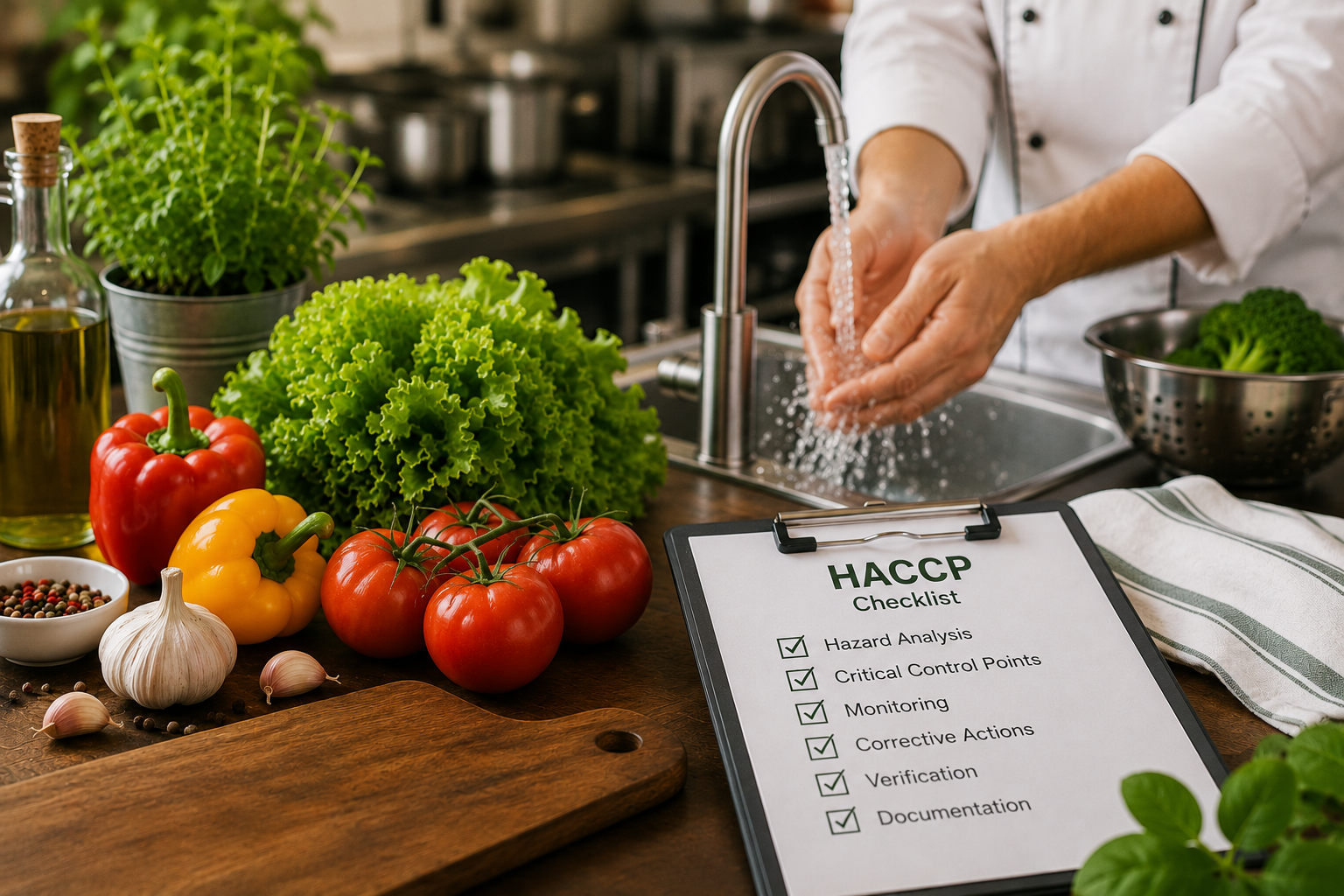
- The HACCP system provides a structured framework for identifying hazards and controlling critical points in food preparation processes.
- Food regulations and international standards support traceability, transparency and compliance within the gastronomy sector.
- Quality management, documentation and continuous monitoring help maintain high operational standards and strengthen customer trust.
Theoretical Core
The Theoretical Core provides the essential concepts and key principles that underpin each Learning Unit of the Gastropreneurs training programme. It helps learners understand the foundations of gastronomy entrepreneurship before engaging with the practical content, ensuring a more coherent and effective learning process.
Course Features
- Lectures 11
- Quizzes 3
- Duration Lifetime access
- Skill level All levels
- Language English
- Students 4
- Assessments Yes
- 4 Sections
- 11 Lessons
- Lifetime
- Section A: Fundamentals of Hygiene and Sanitation in Gastronomy3 Items
- Section B: Food Safety Systems and Regulatory Frameworks3 Items
- Section C: Quality, control & improvement4 Items
- To learn out more4 Items