
Gastronomy sector overview
The gastronomy sector today represents one of the most dynamic and complex areas of the contemporary economy. It is no longer limited to traditional restaurants, but has evolved into a rich and diverse ecosystem that includes bars and cafes, pizzerias, fast food, catering and banqueting services, street food, agritourisms, and other forms of rural hospitality.
Alongside these well-established models, in recent years innovative formats have emerged such as dark kitchens – professional kitchens that prepare food exclusively for home delivery, without a dining area, tables, or direct service to customers, operating solely online through delivery apps or websites. as well as food trucks and “delivery-only” businesses that combine food preparation, product distribution, and immersive customer experiences. This variety reflects the evolution of consumption patterns and social habits, which are increasingly oriented toward personalization, speed and, overall quality of the experience.
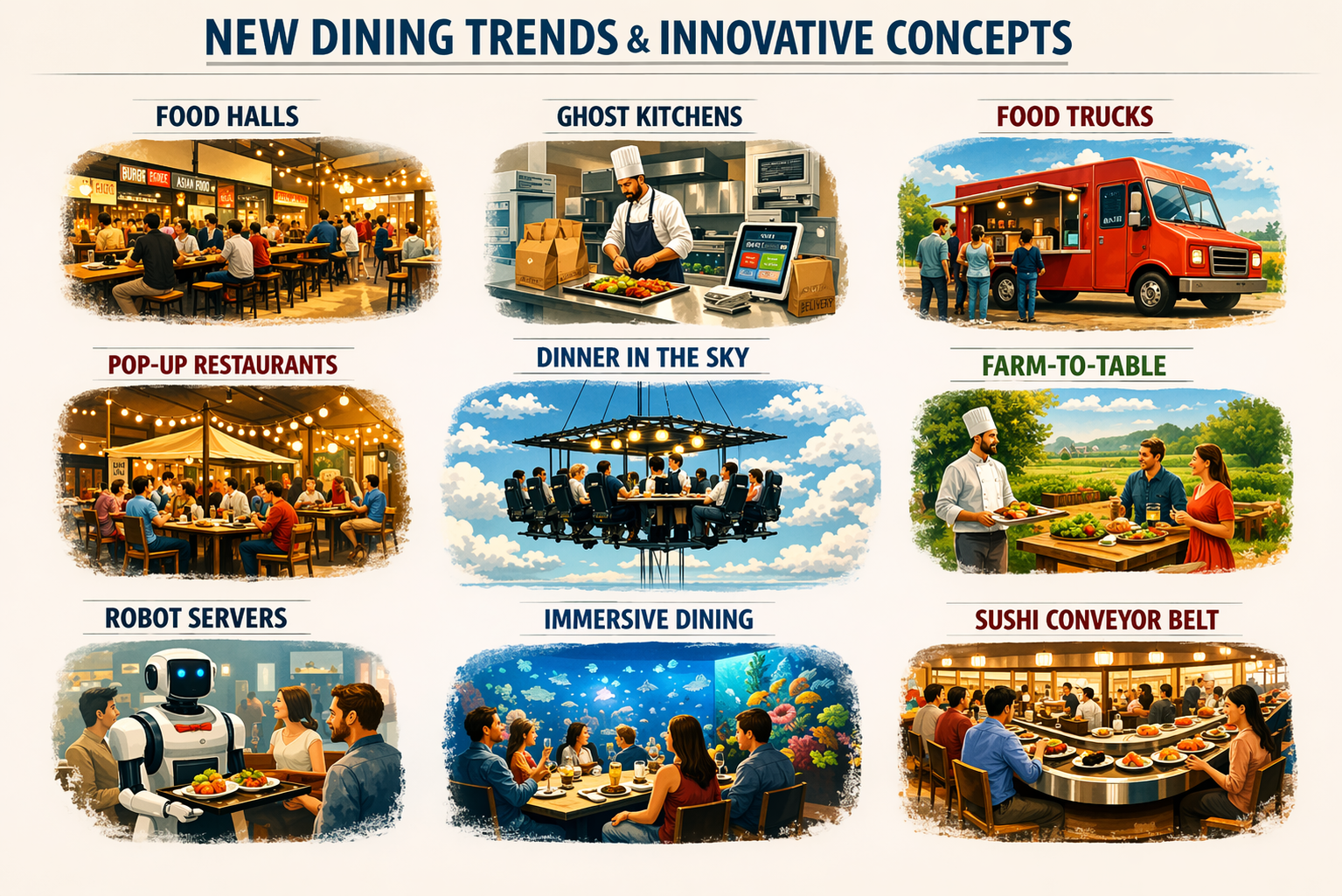
Source: Copilot
However, the sector is highly competitive, with constant market pressure that makes differentiation essential. Profit margins can vary significantly, influenced by factors such as the cost of raw materials, personnel, energy and the daily operational management of the business.
In this context, the customer experience plays a central role: it is not only what you eat that matters, but the entire journey, from booking to service, from the physical environment to the interactions with staff, to digital communication. Furthermore, consumer choices are increasingly shaped by socio-cultural trends such as attention to health, sustainability, local identity, traditional products, and the search for authenticity. Added to all this is the growing digitization of the sector, which has transformed booking systems, payments, delivery services, and communication through social media and online platforms.
In recent years, the sector has undergone profound transformations. Food and wine tourism has grown significantly, contributing to the enhancement of territories, traditions, and local production. At the same time, demand for personalized experiences has increased: customers seek tailor-made itineraries, thematic tastings, product storytelling, and experiences that combine food, culture, and identity. Sustainability has also become a key decision-making criterion, prompting many businesses to rethink their sourcing strategies, operational processes, and relationships with the territory and with local communities.
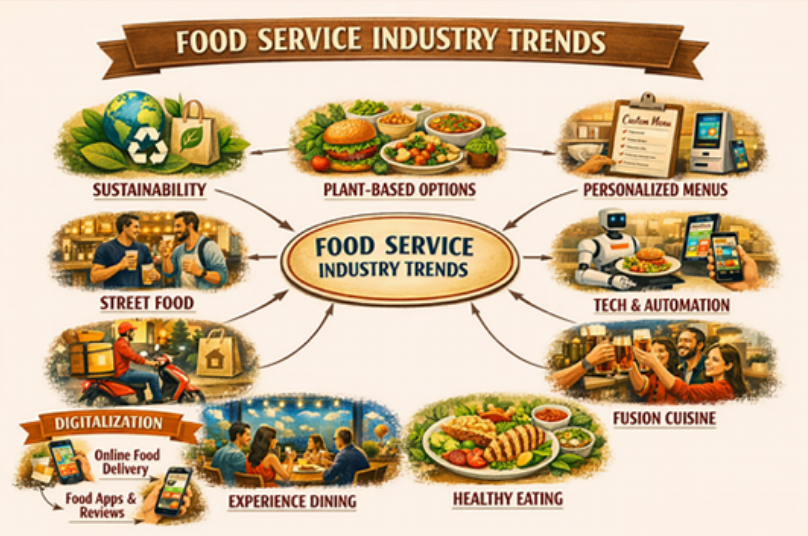
Source: Copilot
In this complex scenario, the gastronomy industry never operates in isolation. It is part of a network of stakeholders that includes suppliers, local producers, tourism boards, institutions, digital platforms, trade associations, and local communities. The ability to build and maintain strong relationships with these actors is now a strategic skill: it enables innovation, access to new opportunities, reputation building, and the creation of shared value. Networks – both formal and informal – therefore become a key element in maintaining competitiveness and addressing the challenges of a constantly evolving sector.
