
Social and community responsibility
This lesson introduces the concepts of social and community responsibility, highlighting how individuals and businesses, particularly in the gastronomy and hospitality sector, can contribute positively to society. It explores key definitions, the importance of responsible practices, and the different types of social and community responsibilities that support sustainable, ethical, and community-oriented business operations.
1. Definitions
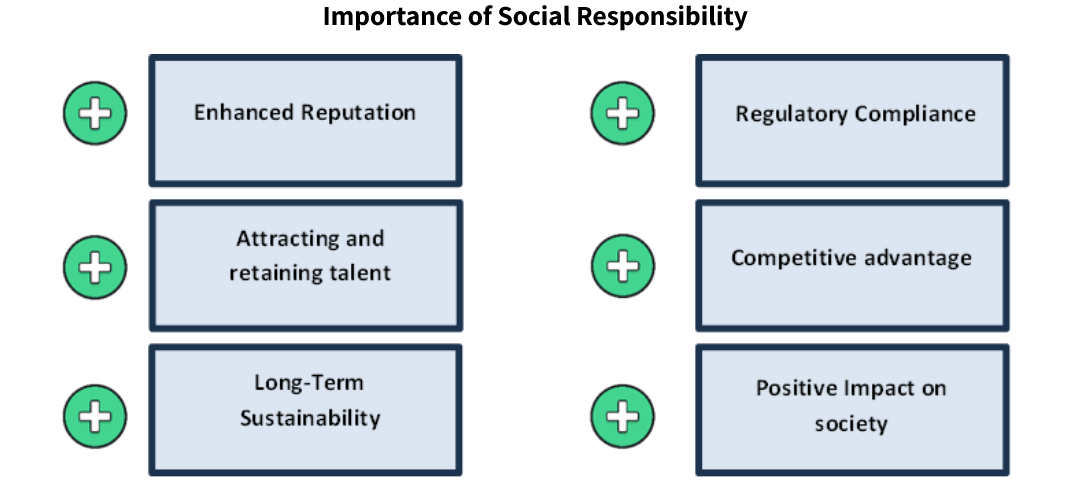
Social responsibility is the ethical obligation of individuals, organizations, and governments to act for the benefit of society, prioritizing collective well-being over purely self-interested goals. Embracing Social Responsibility is essential for businesses aiming to make a positive impact on society and the environment.
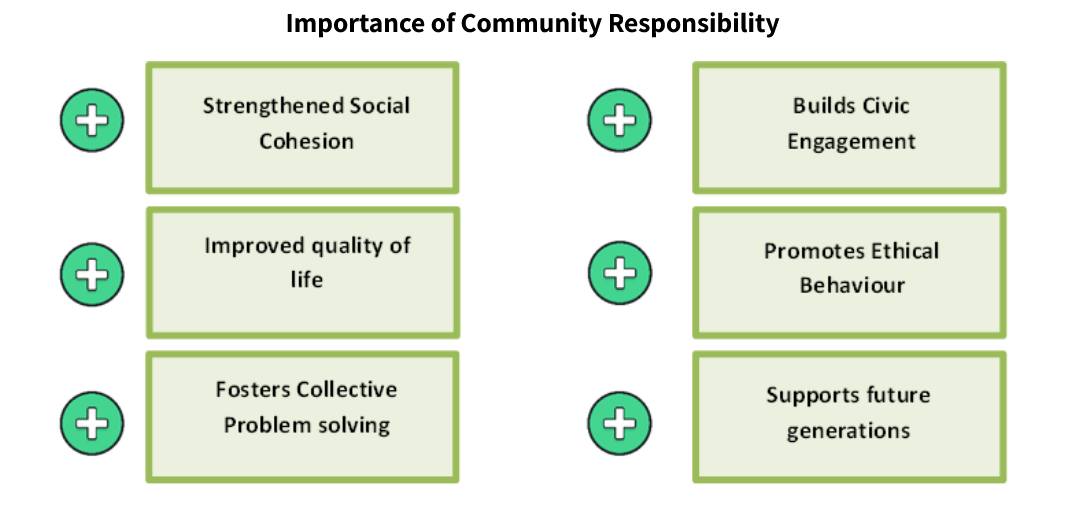
Community responsibility is a specific application of this concept where individuals and groups are held accountable for their impact on the collective well-being of their defined local or global communities. This framework moves beyond legal compliance to include ethical principles of justice, fairness, and care, requiring proactive engagement in fostering sustainable and equitable outcomes across social, environmental, and economic dimensions.
2. Types of social and community responsability
Although Social Responsibility provides many benefits, it also introduces a range of challenges for businesses. By understanding the various forms of Social Responsibility, companies can better manage these complexities. Here are several key factors to keep in mind:
2.1 Environmental Responsibility
Environmental responsibility refers to an organisation’s commitment to operating in ways that minimise harm to the environment. In the food and restaurant sector, this often focuses on reducing the environmental footprint of food production, preparation, and waste management. Businesses that prioritise this responsibility generally focus on three main approaches:
- Reduction: Companies can implement strategies to reduce their negative environmental impact. In restaurants, this may include reducing food waste through better inventory management, limiting single-use plastics, composting organic waste, and lowering pollution from kitchen operations.
- Sustainability: Organisations can incorporate renewable and sustainable resources into daily operations. In gastronomy, this may involve sourcing seasonal and locally produced ingredients, using sustainable seafood, switching to renewable energy in kitchen facilities, reducing packaging, and using recycled or biodegradable takeaway materials.
- Neutrality: Some organisations go beyond reducing their own environmental impact by offsetting environmental damage. For example, restaurants may support reforestation programs, participate in carbon-offset initiatives, donate to environmental research, or invest in projects that restore ecosystems affected by agriculture or food production.
2.2 Ethical Responsibility
Ethical responsibility refers to an organisation’s commitment to acting fairly and responsibly toward employees, customers, and the wider community. In the restaurant and hospitality sector, ethical responsibility is especially important because businesses interact closely with both workers and consumers.
- Employees: Restaurants demonstrate ethical responsibility by treating employees with respect and recognising their contributions. This includes providing fair wages, reasonable working hours, safe kitchen conditions, and opportunities for training and career development for chefs, servers, and kitchen staff.
- Customers: Ethical responsibility toward customers involves offering food and services that meet advertised standards. Restaurants should ensure that ingredients are fresh, food is prepared safely, allergens are clearly communicated, and marketing accurately reflects the quality and origin of dishes.
- Community: Food businesses also have an ethical responsibility to their communities. This includes sourcing ingredients from ethical suppliers, avoiding products linked to exploitative labour practices, and ensuring that restaurant operations do not negatively impact local residents or the environment.
2.3 Legal Responsibility
It refers to a company’s obligation to comply with the laws and regulations of the society in which it operates. In the food and hospitality industry, legal compliance is crucial to protect public health and maintain trust.
There are three main aspects of legal responsibility:
- Regulations: Governments establish regulations to protect consumers, employees, and the economy. Restaurants must comply with food safety standards, hygiene regulations, labour laws, and environmental rules, even if these requirements increase operational costs.
- Taxes: Restaurants and food businesses must pay taxes that support public services such as infrastructure, sanitation systems, and health inspections. These systems help create a safe and stable environment for both businesses and customers.
- Criminal Law: Restaurant owners and managers must follow the same legal standards as individuals. This includes avoiding fraudulent practices, complying with food safety laws, and ensuring that business activities do not endanger employees or customers.
2.4 Philanthropic Responsibility
Philanthropic responsibility refers to a company’s voluntary efforts to contribute positively to society. In the gastronomy sector, this often involves sharing food resources, supporting community initiatives, and contributing to social causes.
Businesses may direct their philanthropic contributions toward three types of initiatives:
- External Organisations Related to Their Mission: Some restaurants support charities connected to food or nutrition. For example, a restaurant may donate meals to food banks, fund community kitchens, or support programs that improve access to healthy food in disadvantaged areas.
- External Organisations Unrelated to Their Mission: Restaurants may also support broader social causes, such as disaster relief programs or charities addressing poverty. Although these initiatives may not be directly linked to gastronomy, they demonstrate the business’s commitment to social responsibility.
- Internal Philanthropic Initiatives: Some food businesses create their own charitable programs. Examples include “buy-one-give-one” meal initiatives, partnerships with community shelters, or restaurant-led campaigns that distribute surplus food to people in need.
In addition to social responsibility, gastronomy/hospitality businesses can have positive impacts on their community when considering these types of community responsibility:
- Philanthropic: This involves donating money, food, or resources to support community needs.
- Volunteer-based: Businesses or individuals volunteer time and skills to help the community.
- Local economic support: A company prioritizing local suppliers demonstrates Community Responsibility by supporting local businesses and economies. This action has a direct positive connotation for the community’s economic health
- Social Development: This type focuses on improving education, health, and social welfare within the community.
- Environmental support: Businesses can support their community by protecting the local environment.
